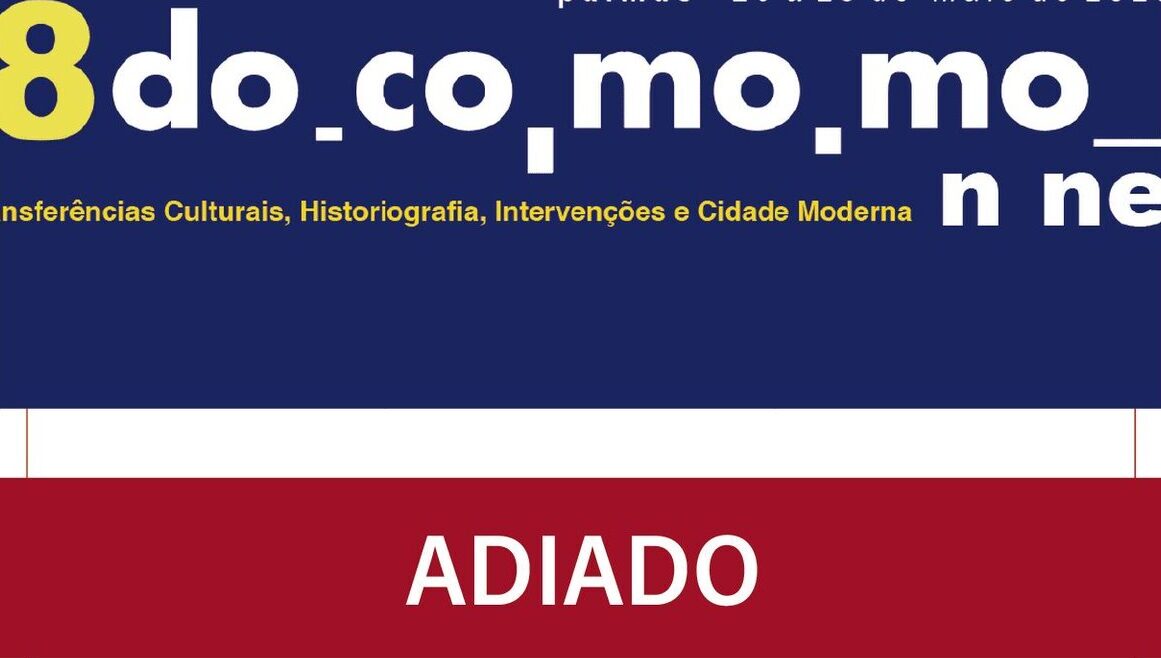
O evento Arquitetura e Transculturação: conexões transatlânticas | 2020 é uma iniciativa do LoCAU (Laboratório de Crítica em Arquitetura, Urbanismo e Urbanização) e, nesta edição, em parceria com o Doutoramento em Arquitectura e o CITUA (Center for Innovation in Territory, Urbanism, and Architecture) do Instituto Superior Técnico da Universidade de Lisboa (IST-UL) representados pela Profa. Ana Tostões, a fim de promover e divulgar o debate sobre a temática da transculturação em Arquitetura e Urbanismo entre Brasil, Europa e África.
Serão cinco webinários, com palestrantes do Brasil, Europa e África
Às quintas-feiras entre 30|07 e 27|08
às 18h (Horário de Brasília)
Webinário #2
PATRIMÔNIO E CONSERVAÇÃO BRASIL, ITÁLIA E ÁFRICA
06 de agosto de 2020 às 18h (Horário de Brasília)
PATRIMÔNIO URBANO E ENTORNO: as contribuições de Gustavo Giovannoni à tutela legal dos bens culturais na Itália
Renata Campello Cabral
Arquiteta e Urbanista pela UFPE
Doutorada pelo IAU-USP – Pós Doutorado IST-UL
Professora Adjunta do DAU | MDU | UFPE
Vice-coordenadora do LUP – Laboratório Urbanismo e Patrimônio Cultural da UFPE
CONSERVAÇÃO E OS DESAFIOS DO PROJETO: experiências entre Itália, Moçambique e Brasil
Mario Fundarò
Arquiteto pelo Politécnico de Milão
Doutor em Arquitetura e Urbanismo pela UFMG
Professor Adjunto do DAUD | UFC
Membro do LoCAU – Laboratório de Crítica em Arquitetura, Urbanismo e Urbanização
O evento será transmitido pelo Canal do Youtube do Programa de Pós-Graduação em Arquitetura e Urbanismo e Design da Universidade Federal do Ceará (PPGAU+D-UFC) no link: https://www.youtube.com/watch?
v=YgWt9l3MdK0
Ao final de cada Webinário será disponibilizado um link para um formulário de avaliação do evento. Serão emitidos certificados para os palestrantes e participantes.
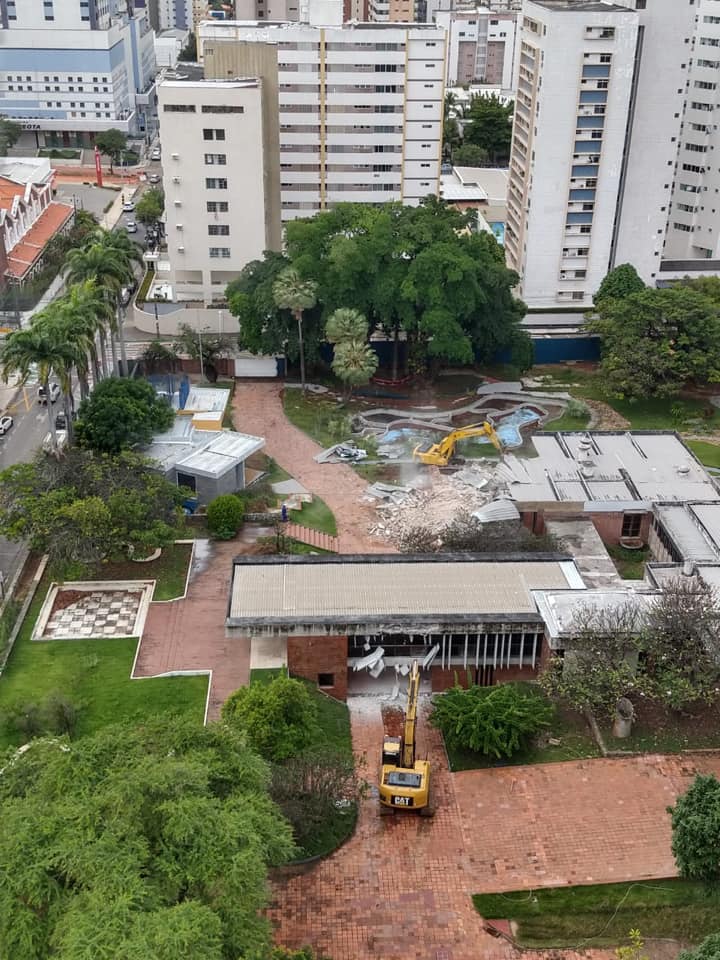
NOTA DE REPÚDIO – DEMOLIÇÃO SEDE DO GRUPO J. MACEDO S/A COMÉRCIO, ADMINISTRAÇÃO E PARTICIPAÇÕES Antiga Residência Benedito Macedo (1968) Fortaleza – Ceará I Acácio Gil Borsoi, Janete Costa e Roberto Burle Marx
NOTA DE REPÚDIO
DEMOLIÇÃO SEDE DO GRUPO J. MACEDO S/A COMÉRCIO, ADMINISTRAÇÃO E PARTICIPAÇÕES
Antiga Residência Benedito Macedo (1968) Fortaleza – Ceará
Acácio Gil Borsoi, Janete Costa e Roberto Burle Marx
.
O conjunto arquitetônico em comento é composto pela Residência Benedito Macedo e seu jardim e o edifício administrativo do grupo empresarial J. Macedo. A residência foi construída, acompanhada do seu tratamento paisagístico envoltório, no ano de 1968. Os autores do seu projeto arquitetônico e de arquitetura de interiores foram os arquitetos Acácio Gil Borsói (Rio de Janeiro/RJ, 1924 – São Paulo/SP, 2009) e Janete Costa (Garanhuns/PE, 1932 – Olinda/PE, 2008), técnicos de grande prestígio profissional radicados em Recife/PE, mas com atuação em todo o Nordeste e em alguns outros Estados brasileiros.
O projeto do jardim ficou a cargo do paisagista Roberto Burle Marx (São Paulo/SP, 1909 – Rio de Janeiro/RJ, 1994), o maior nome da arquitetura paisagística brasileira em todos os tempos. Onze anos depois, em 1979, o prédio administrativo foi levantado sob o risco de Acácio Gil Borsói e Janete Costa e com linguagem arquitetônica bastante semelhante à da residência existente. Os dois edifícios e o jardim, além de se constituírem em pontos destacados nos acervos de obras dos arquitetos, conformam um dos mais importantes conjuntos de arquitetura moderna do Ceará, do Nordeste e do Brasil, detendo valores históricos, artísticos e simbólicos tais que o promovem à condição de inequívoco patrimônio cultural edificado.
Não sendo protegido em nível cultural em qualquer âmbito (federal, estadual e/ou municipal) e tendo sido recentemente anunciada a sua venda pelo proprietário original, temeu-se pela integridade e a demolição do conjunto, a exemplo do que ocorreu com outras obras de integrantes do grupo empresarial, tais como as residências de José e Fernando Macedo, igualmente projetadas e valorizadas paisagisticamente pelos mesmos profissionais, ambas demolidas.
A ameaça de demolição, a extremada valorização imobiliária do bairro onde se situa a quadra na qual se implanta o conjunto e a elevada qualidade arquitetônica e paisagística deste, justificou a ação do Departamento do Ceará do Instituto de Arquitetos do Brasil – IAB/CE e do Núcleo DOCOMOMO Ceará, abrigado no Departamento de Arquitetura e Urbanismo e Design da Universidade do Ceará –DAUD-UFC, entre outras instituições, em apresentar solicitações de tombamento do conjunto nos níveis federal, estadual e municipal. Os pedidos foram protocolados no final do mês de abril do ano corrente e os Professores Doutores Arquitetos Romeu Duarte Junior, Ricardo Alexandre Paiva e Beatriz Helena Nogueira Diógenes foram colaboradores técnicos na construção dos Ofícios IAB-CE 39/2020, IAB-CE 40/2020 e IAB-CE 41/2020, protocolados pelo IAB-CE na SECULT, SECULTFOR e IPHAN, respectivamente.
Essas ações não foram suficientes para evitar que em 02 de junho de 2020 se iniciasse a demolição da obra, que foi noticiada pela imprensa local e permitiu que o IAB- CE, nomeadamente o seu Presidente, o Arquiteto Jefferson John Lima da Silva, agisse prontamente no acionamento da Agência de Fiscalização de Fortaleza – AGEFIS, órgão de fiscalização do Patrimônio Histórico-Cultural vinculado à Prefeitura Municipal de Fortaleza – PMF que, por seu turno, conseguiu embargar a obra em razão da ausência do necessário alvará para tal intervenção, conforme o Auto N° 088956 da PMF. De outra parte, em ofício datado de 02/06/2020 e dirigido ao Dr. Fabiano dos Santos, Secretário Estadual da Cultura e Presidente do Conselho Estadual de Preservação do Patrimônio Cultural do Estado do Ceará – COEPA, a Promotora de Justiça, Dra. Maria Jacqueline Faustino de S. A. do Nascimento, Coordenadora do Centro de Apoio Operacional de Proteção à Ecologia, Meio Ambiente, Urbanismo, Paisagismo e Defesa do Patrimônio Histórico, Artístico e Cultural do Ministério Público do Estado do Ceará – CAOMACE/MPCE, determinou o embargo da obra com base na ação da AGEFIS/PMF e no tombamento estadual provisório do conjunto arquitetônico-paisagístico, mediado pela solicitação de proteção retrocitada, e previsto no Art. 3º, § 10, da Lei Estadual Nº 13.465/04.
Ainda que existam várias iniciativas em prol da documentação e conservação da obra, conforme várias pesquisas e escritos já realizados1, e os recentes pedidos de tombamento, a interdição do processo de demolição até o momento não assegurou a integridade do conjunto e nem diminui a gravidade da ameaça ao patrimônio moderno frente às dinâmicas imobiliárias da cidade.
Neste sentido, o Núcleo DOCOMOMO Ceará, o DAUD-UFC e o IAB-CE, reiteram a importância cultural, arquitetônica, urbana e paisagística de tombamento do Conjunto da Residência Benedito Macedo, seu jardim e o edifício administrativo, numa perspectiva de propor alternativas para o seu reuso, propondo parcerias entre os setores público e privado implicados para que estudem e decidam sobre a tomada de providências adequadas, sustentáveis e respeitosas para com o patrimônio cultural e natural conformado pelo conjunto arquitetônico-paisagístico.
Finalmente, reivindicamos e nos colocamos à disposição para buscar encaminhamentos que ratifiquem o valor cultural do conjunto e conduza a manutenção e conservação do que sobrou desse importante patrimônio moderno de Fortaleza, do Ceará, do Nordeste e do Brasil.
Subscrevemo-nos
Fortaleza, 02 de junho de 2020
Prof. Dr. Ricardo Alexandre Paiva – Núcleo DOCOMOMO Ceará – DAUD/UFC
Prof. Dr. Renan Cid varela Leite – Chefe de Departamento – DAUD/CT/UFC
Prof. Dr. Romeu Duarte Junior – Atelier de Patrimônio Cultural DAUD/UFC / Ex Presidente do IAB-CE e IAB-DN
Prof. Dra. Beatriz Helena Nogueira Diógenes – LoCAU – DAUD/UFC
Arq. Jefferson John Lima da Silva – Presidente IAB-CE
Arq. Rebeca Gaspar Maia – Secretária Geral IAB-CE
Apoiam essa iniciativa:
Profa. Dra. Clarissa Figueiredo Sampaio de Freitas – Programa de Pós Graduação em Arquitetura e Urbanismo e Design – PPGAU+D/UFC
Profa. Dra. Marcia Gadelha Cavalcante – Coordenadora do Curso de Arquitetura e Urbanismo – DAUD/UFC
Prof. Dr. Nivaldo Vieira Andrade Jr. – Presidente Nacional do Instituto dos Arquitetos do Brasil
Prof. Dr. Renato Gama-Rosa – Coordenador do DOCOMOMO Brasil
Prof. Dr. Leonardo Castriota – Presidente do ICOMOS/Brasil
Prof. Dr. Napoleão Ferreira da Silva Neto – Presidente do CAU/CE
Arq. Marco Antônio Borsoi – Borsói Arquitetos Associados/ Marco Antônio Borsói Arquitetura
Instituto Burle Marx
Instituto Sérvulo Esmeraldo
Prof. Dr. José Carlos Huapaya Espinoza – Núcleo DOCOMOMO BA_SE (Bahia e Sergipe)
Prof. Dr. Fernando Diniz – Núcleo DOCOMOMO Pernambuco
Arq. Robledo Valente Duarte – Vice-Presidente do IAB/CE
Arq. Clélia Maria Coutinho Teixeira – Representante do IAB-CE no COMPHIC
Arq. Márcia Sampaio – Representante do IAB-CE no COMPHIC até 2019
Arq. Izabela Moreira Lima – Representante do IAB/CE no COMPHIC até 2019 e Diretora de Política Profissional do IAB/CE
Arq. Alexandre José Martins Jacó – Arquiteto e Urbanista
Profa. Dra. Gérsica Vasconcelos Goes – Membro do ICOMOS Brasil
Arq. Antônio Carlos Campelo Costa – Ex Presidente do IAB/CE e IAB/DN
Profa. Dra. Clélia Lustosa – Observatório das Metrópoles – Núcleo Fortaleza
Carlos Josué – Conselheiro da AGB no COMPHIC
Profa. Dra. Alcília Albuquerque Afonso – GRUPAL – Grupo de Pesquisa Arquitetura e Lugar – UFCG

2019 APT Conference – Miami
The Association for Preservation Technology – 2019 APT Conference – Miami US – submissão de trabalhos até 4 de março
Welcome!
Located between the Everglades swamp and the Atlantic Ocean, the dynamic port city of Miami is the setting for the 2019 APT Conference.
Join us in this uniquely subtropical and diverse locale where Spanish, French and Portuguese language is as prevalent as English. Engaging sessions, workshops and a symposium will delve into the most pressing issues affecting 21st century preservation and conservation.
2019 Conference Themes Include:
• Effects of Climate Change in Warm Weather Coastal Regions
• Sustainability and Conservation of Built Heritage in the Americas
• Conservation of modern and post-modern heritage
• Diversity, Population Change, and Gentrification in the Preservation Dialogue
Conference Tracks
Track 1: Effects of Climate Change in Warm Weather Coastal Regions
Efectos del cambio climático en regiones costeras con clima caliente…
Efeitos das mudanças climáticas nas regiões costeiras de clima quente…
Efè de chanjman nan klima nan rejyon cho kot Weather…
Effets du changement climatique dans les régions côtières par temps chaud
Many coastlines throughout the world are densely populated. In North America over 25 million people live in areas vulnerable to coastal flooding. Coastal areas are home to species and habitats that provide many benefits to society and natural ecosystems. Coastal and ocean activities, such as marine transportation of goods, offshore energy drilling, resource extraction, fish cultivation, recreation, and tourism, are integral to the nation’s economy, generating approximately 25 percent of the national gross domestic product (GDP)—but in many cases threaten natural and cultural resources. However, there are many threats to heritage places in coastal settings. This conference theme will examine how climate change affects coastal areas, including built heritage, in a variety of ways. Coasts are sensitive to effects of climate change including sea level rise, changes in the frequency and intensity of storms, increases in precipitation, and warmer ocean temperatures. In addition, rising atmospheric concentrations of carbon dioxide are causing the oceans to absorb more of the gas and become more acidic. This rising acidity can have significant impacts on the delicate coastal and marine ecosystems and seaside historic structures.
Subthemes:
Projections of climate change: Assessing vulnerabilities and building resiliency in coastal areas affected by climate change. This subtheme will discuss current challenges affecting built heritage and infrastructure, including shoreline erosion, coastal flooding, and water pollution. Papers will examine solutions and impacts that must be weighed to safeguard heritage across the Gulf Region, the Americas, and worldwide.
Adaptation planning for sustainability in historic coastal communities: This subtheme will examine adaptation planning schemes in the sustainability of historic coastal communities, including the role of public agencies in developing mitigation and adaptation plans for coastal cities. Case studies will examine lessons learned from implementation and monitoring of successful planning schemes.
Education and training for the next generation of preservation professionals: Education and training programs internationally are integrating climate change into the stewardship of cultural heritage. This subtheme will solicit presentations that illustrate education programs and plans that provide communities with an understanding of policies, programs, and other actions that improve cultural heritage’s resilience to natural disasters such as high winds, floods, storms, fires, earthquakes and projected climate change.
Cultural heritage maintenance and climate change: Maintenance is the first and ongoing line of defense in protecting cultural heritage from the effects of climate change and natural disasters. This subtheme will explore the use of documentation to ensure a baseline measurement against which to monitor changes, and how maintenance and documentation can aid in efforts for risk preparedness. Papers will focus on methods that have been successful and how we can encourage greater disaster preparedness, and preparation of tailored responses to avoid further damage to cultural resources.
Track 2: Sustainability and Conservation of Built Heritage in the Americas
Sosteniendo el patrimonio en las americas…
Sustentando a herança nas américas…
Ankouraje eritaj nan Amerik yo…
Durabilité et conservation du patrimoine bâti dans les Amériques
Sustainable development in the Americas and across the world —identifying and meeting different present-day needs by using the resources already available, so as not to compromise the resources of future generations—has important implications for future environmental, economic, and social well-being. Practitioners must address the need to balance preservation of historic places and ancient living sites, while recognizing the significant relationship between conservation and development, tourism, and sustainability. There remain potentially irreconcilable differences between environmental goals and heritage conservation. This conference theme will feature case studies that demonstrate how new uses for historic buildings develop and incorporate new rehabilitation programs such as retrofits to improve energy efficiency, and how significant alterations and loss of fabric can be avoided. Participants will demonstrate how maintaining the integrity of sites can be achieved while meeting current code requirements. Practitioners will address the increasing challenges of sustainable development and how the field of preservation has demonstrated the vital role it must play in conserving and sustaining local communities, local identity, and traditions across the Americas.
Subthemes:
Building resiliency in pre-colonial, maritime, and post-colonial heritage sites affected by climate change. Heritage conservation’s role in meeting the aims of environmental sustainability and resiliency is critical. In this subtheme, case studies will examine how assessing and identifying vulnerabilities in pre-colonial, maritime, and post-colonial heritage are critical to their long-term protection and adaptation. Papers will consider the specific measures that can be used to make pre-colonial, maritime and post-colonial heritage structures more resilient to increasingly destructive forces due to climate change and cyclical weather events, and how conservation treatment plans can help sustain these heritage assets in the future.
Conservation management planning strategies and building resiliency for colonial historic centers: Urban towns and local communities are subject to risk from singular events such as fires, storms, earthquakes, flooding, and intentional attack, and ongoing degradation from environmental factors, population growth, traffic, and increased heritage tourism. This subtheme will consider successful strategies for mitigating degradation to sites and places through management tools, planning, and successful protocols to absorb and recover from the effects of adverse events.
Stewardship of pre-colonial indigenous sites across the Americas: This subtheme will examine best practice examples of stewardship of pre-colonial indigenous sites across the Americas. Topics will include consensus-building with local native populations, conservation and preservation plans, and stewardship solutions for historic buildings for traditionally underrepresented Native American populations. Types of conditions currently impacting indigenous sites will be reviewed, including challenges and solutions for mitigation.
Materiality, craftsmanship, and conservation of vernacular buildings in the Caribbean and Americas: This subtheme will examine the types of material deterioration and decay mechanisms associated with vernacular architecture and places similar to the Americas. Papers will address extreme environments and exposures (e.g. hot and humid climates), fragile materials, and building techniques specific to the Western Hemisphere. For example, this subtheme will examine various types of materials, craftsmanship, and conservation treatments used in the historical constructions of various typologies of buildings and places across the Caribbean, the Americas, and other places throughout the world – including their unique character as related to inherent values attained over time. Sessions will include discussion of the types of conservation strategies utilized to protect unique fabric in special geographic locations.
Track 3: Conservation of Modern Heritage across the Americas
La conservación del patrimonio moderno en las Américas
Conservação do patrimônio moderno nas Américas
Konsèvasyon nan Eritaj modèn atravè Amerik yo
Le conservation du patrimoine moderne à travers les Amériques
Latin American modernism is significant as a uniquely elegant adaptation and interpretation of the International Style. With the support and patronage of governmental entities in many countries, Latin American modernism literally adapted a more European style modernism that could be acclimatized to tropical locales. The result is an impressive and eclectic architectural and landscape portfolio of the period from the 1940s through the 1970s that reflects the political and social zeitgeist of the region. This theme will focus on how modernism was adapted to a variety of environments to survive over time in the Americas. This theme will also discuss how modernism in the Americas was shaped by unique fabrication methods and technologies that responded and adapted to specific environments. Sessions will focus on challenges of conservation of materiality, retention of original technologies, craftsmanship and changing use over time. What are the vulnerabilities in the long term protection of modern heritage? How do we balance retention of material authenticity while sustaining these places in the future?
Subthemes:
Climate change impacts and sustainability of modern heritage: This subtheme will explore resiliency in modern and contemporary buildings, places, and sites, and examine how modern heritage assets can be protected in the face of climate change. Environmental vulnerabilities and accompanying modifications, including structural retrofitting will be specifically explored as they pertain to twentieth century buildings.
Modern Urban Plazas, Monuments, and Public Spaces: Modern urban public spaces are characterized by deliberate placemaking that often combine landscape design and public art. In this subtheme, case studies will examine conservation treatments that address resiliency issues of materiality. Papers will also address the special conservation needs of art associated with architecture. Types of urban public spaces and monuments that may be considered, Governmental complexes, Twentieth century art in modern public plazas, Public art, plazas, and college and university campuses. Papers will also address materiality of public sculpture, including conservation of materials and finishes used in public and monumental spaces.
Concrete and Brutalism: Despite the abundance and richness of twentieth century large scale concrete structures such as stadiums and arenas, much of brutalist architecture across the Americas, (including in Miami), remains at risk. This session will take an in-depth look at brutalist and uncoated concrete structures across the Americas, including concrete heritage less than fifty years old: what remain the challenges and strategies for historic designation? Additional topics to this subtheme include global concrete heritage – structural and materials approaches for conservation, and challenges in conserving concrete in humid and coastal climates.
Ordinary Everyday Modernism (OEM) in Miami, the Caribbean and the Americas. Many buildings, sites and places of the postwar era remain a miracle of simplicity and ordinary materials beautifully employed and worthy of preservation. In this subtheme, an examination of the Ordinary Everyday Modernism (OEM) will be afforded. Additional topics for consideration may include the protection of OEM neighborhoods and challenges in the designation of historic districts.
Postwar decorative finishes in the Caribbean and the Americas: Postwar buildings in the Caribbean and Central and South America are known for a preponderance of decorative finishes and techniques that distinctly characterize them as different from many European and North American styles. Topics for consideration will include conservation treatments of murals, mosaics, terrazzo, pebble finishes, tile cladding, and unique uses of ordinary brick and wood. This subtheme will also examine ways in which these elements and materials are subject to distinct types of deterioration due to their locations, and how problems can be addressed.
Track 4: Diversity, Population Change, and Gentrification in the Preservation Dialogue
Diversidad, cambio poblacional y gentrificación en el diálogo de preservación
Diversidade, Mudança de População e Gentrificação no Diálogo de Preservação
Divèsite, Chanjman Popilasyon, ak Gentrification nan Dyalòg Prezèvasyon
Les impacts de la diversité, l’évolution démographique et la gentrification sur le discours de préservation
There is an inherent social dimension across all preservation-oriented disciplines and understanding preservation’s impacts on communities is an emerging and compelling area of research. This conference theme will examine values-based preservation approaches, underrepresented and marginalized histories, public dialogue and engagement, social impacts of heritage work, policy development, and emerging methods for socially inclusive practice.
Subthemes:
Social and economic impacts of preservation: How is preservation being used as a tool for fostering social inclusion, neighborhood affordability, cultural learning, creative expression, and community organizing? What are the outcomes of preservation policy and practice on communities? In asking these questions, this subtheme examines preservation within larger urban policy discussions around gentrification, equity, and justice. Submissions are encouraged from within preservation practice as well as allied disciplines.
Participation and public engagement: An examination of the processes of preservation, including who is participating, how preservationists engage with stakeholders, and what values determine preservation decisions, particularly within the context of urban population changes.
Architectural and historical underrepresentation: What types of buildings and places are underrepresented in preservation (i.e., modern housing, graffiti and street art; vernacular architecture; and styles significant for their social context). This subtheme seeks to elicit new narratives and new knowledge around places of significance. Preservation as an exclusionary or inclusionary tactic and the social impacts of preservation will be considered.
Miami and Caribbean case studies: In defining a narrow geographical focus, this subtheme provides a space where the other subthemes can be examined within the geographical and social contexts of Miami and the Caribbean. A primary goal is to allow for comparison, collaboration, and capacity-building across the region.
Mais informações em: http://www.apti.org/index.php?src=gendocs&ref=Home_Annual&link=Home_Annual&fbclid=IwAR2vDLFmzc_hnxe5D27mvQy1yIVYAS_CEsU7GznORHyMlSmmTtANo568IUY